
Vaccination
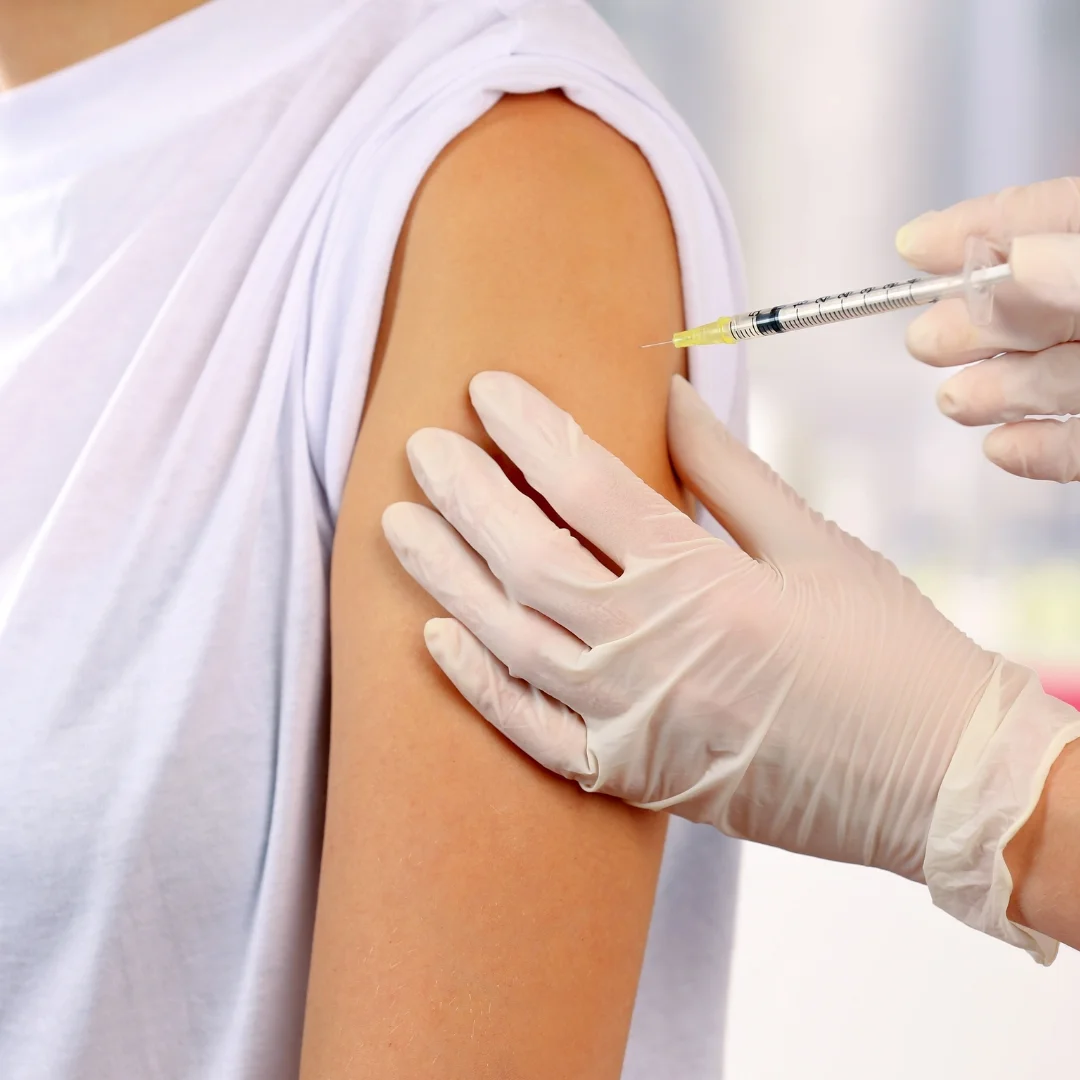
Vaccination is a crucial preventive healthcare measure that protects women from various infectious diseases throughout their lives. Women-specific vaccinations include protection against cervical cancer (HPV vaccine), rubella, and other conditions that can significantly impact reproductive health and pregnancy outcomes.
Proper vaccination schedules help prevent serious diseases, reduce complications during pregnancy, and protect both mother and baby. Some vaccines are recommended before pregnancy, while others may be given during pregnancy or after delivery to ensure optimal protection for the entire family.
Common Causes & Risk Factors
- •HPV & Other Infections: HPV can lead to cervical and other reproductive tract cancers. Rubella, hepatitis B, influenza, and whooping cough can cause complications during pregnancy or affect newborn health.
- •Missed or Delayed Vaccination: Some women may have missed childhood vaccinations or need booster shots to maintain immunity.
- •Lifestyle & Exposure: Sexual activity, travel to endemic areas, occupational exposure, and compromised immune systems increase risk.
Healthy Lifestyle
Lifestyle Factors
Understanding how daily habits and choices impact your health.
Genetic Factors
Family history and genetic predisposition considerations.
Prevention & Management
- Follow recommended vaccination schedules for best protection
- HPV vaccine before sexual activity (ages 11-12, catch-up until 26)
- Review and update vaccination history before pregnancy
- MMR vaccine at least 1 month before conception
- Tdap and influenza vaccines during pregnancy as recommended
- Maintain up-to-date vaccination records and discuss travel vaccines with your doctor
Regular Screening & Treatment Planning
Preventive Care & Individualized Plans
Early detection through routine examinations and customized treatment approaches tailored to your needs.