
Infertility Evaluation And Treatment
Infertility evaluation and treatment provides comprehensive care for couples experiencing difficulty conceiving. Infertility is defined as the inability to achieve pregnancy after one year of regular, unprotected intercourse, or six months for women over 35. With proper evaluation and treatment, many couples can successfully achieve pregnancy.
Modern fertility treatment involves thorough evaluation of both partners to identify the underlying causes of infertility. Treatment options range from simple lifestyle modifications and medications to advanced assisted reproductive technologies. The approach is individualized based on the specific diagnosis, age, duration of infertility, and patient preferences.
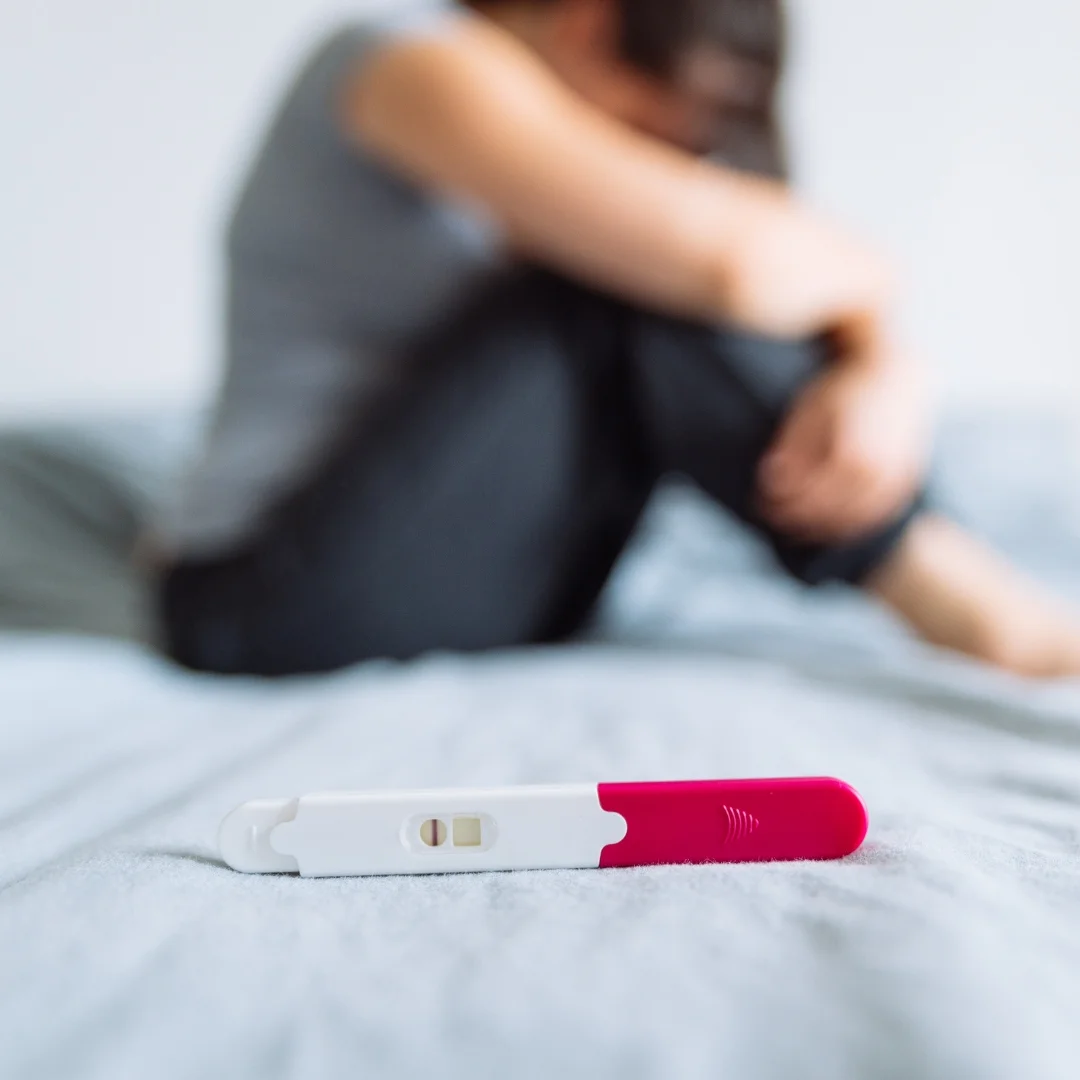
Common Causes & Risk Factors
- •Female Factors: Ovulatory disorders (PCOS, hormonal imbalances, premature ovarian failure), structural problems (blocked fallopian tubes, uterine abnormalities, endometriosis).
- •Male Factors: Problems with sperm production, function, or delivery (low count, poor motility, abnormal shape, blockages).
- •Age: Fertility declines with age, especially for women over 35.
- •Lifestyle Factors: Smoking, excessive alcohol, poor nutrition, stress, environmental toxins, and excessive exercise.
- •Unexplained Infertility: In some cases, the cause remains unknown despite thorough testing.
Healthy Lifestyle
Lifestyle Factors
Understanding how daily habits and choices impact your health.
Genetic Factors
Family history and genetic predisposition considerations.
Prevention & Management
- Maintain a healthy weight and balanced diet rich in antioxidants
- Take prenatal vitamins with folic acid
- Quit smoking, limit alcohol, manage stress, and avoid environmental toxins
- Regular exercise (but avoid excessive exercise)
- Manage chronic conditions like diabetes or thyroid disorders
- Track ovulation and understand fertile windows
- Avoid excessive heat exposure and certain medications that may affect fertility
- Seek early evaluation if conception does not occur within the expected timeframe
Regular Screening & Treatment Planning
Preventive Care & Individualized Plans
Early detection through routine examinations and customized treatment approaches tailored to your needs.