
Hysteroscopy and Laparoscopy
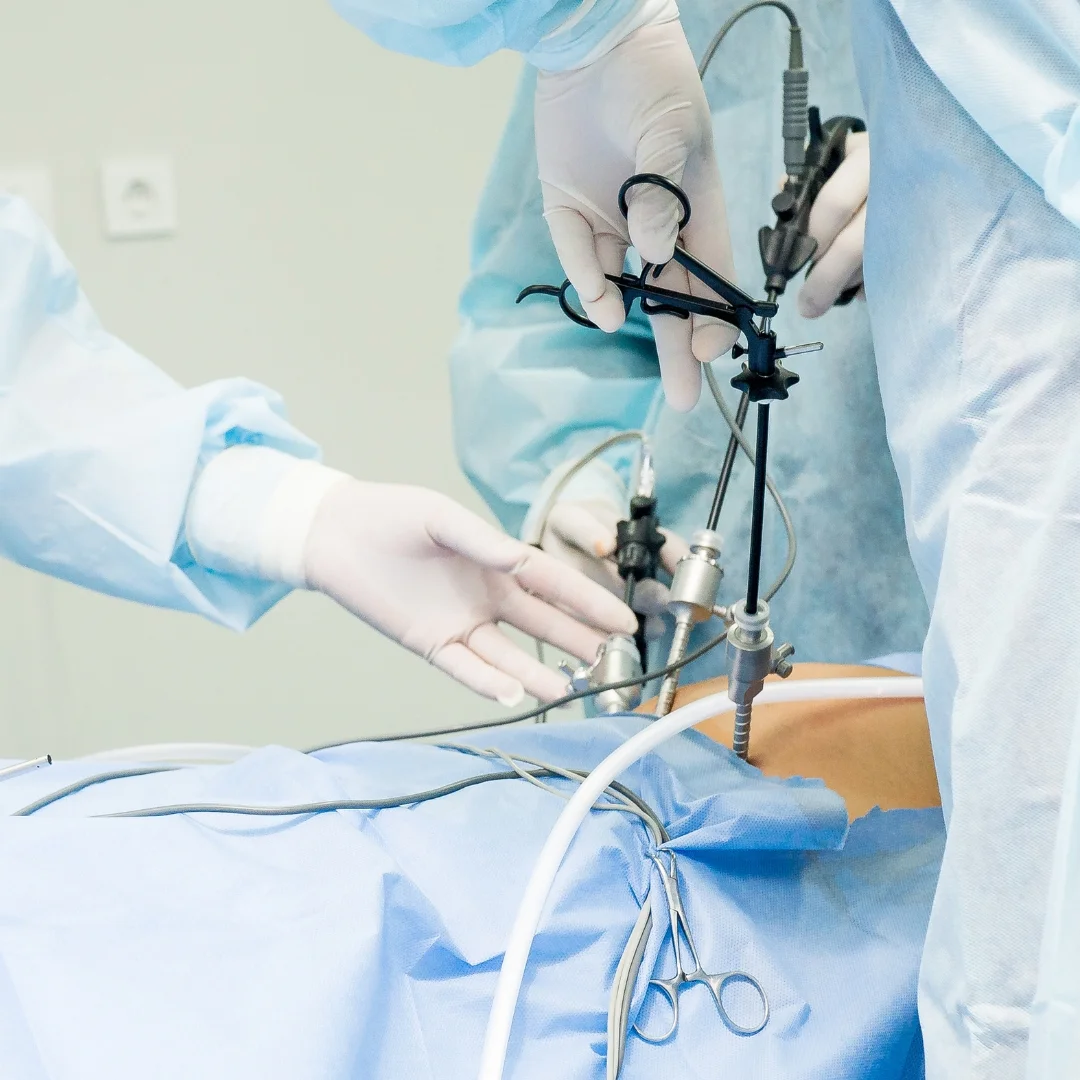
Hysteroscopy and laparoscopy are minimally invasive surgical procedures used to diagnose and treat various gynecological conditions. Hysteroscopy involves examining the inside of the uterus using a thin, lighted telescope, while laparoscopy uses small incisions to view and operate on pelvic organs.
These procedures offer significant advantages over traditional open surgery, including smaller incisions, reduced pain, shorter recovery times, and lower risk of complications. They are essential tools in modern gynecological practice for both diagnostic evaluation and therapeutic intervention.
Common Causes & Risk Factors
- •Abnormal Uterine Bleeding: May require hysteroscopic examination.
- •Endometriosis & Cysts: Conditions like endometriosis, ovarian cysts, or pelvic adhesions.
- •Infertility Evaluation: Blocked fallopian tubes or uterine abnormalities.
- •Chronic Pelvic Pain: Unknown origin may require diagnostic laparoscopy.
- •Failed Medical Treatments: Persistent symptoms despite medical management.
Healthy Lifestyle
Lifestyle Factors
Understanding how daily habits and choices impact your health.
Genetic Factors
Family history and genetic predisposition considerations.
Prevention & Management
- Early intervention through minimally invasive techniques can prevent complications
- Proper patient selection and pre-operative evaluation for optimal outcomes
- Follow post-operative instructions to prevent complications
- Regular follow-up care to monitor recovery
- Maintain reproductive health through regular gynecological care
Regular Screening & Treatment Planning
Preventive Care & Individualized Plans
Early detection through routine examinations and customized treatment approaches tailored to your needs.