
High Risk Pregnancy Management
High-risk pregnancy management involves specialized care for pregnancies that have an increased chance of complications affecting the mother, baby, or both. These pregnancies require enhanced monitoring, specialized testing, and often multidisciplinary care to ensure the best possible outcomes.
A pregnancy may be considered high-risk due to maternal age, pre-existing medical conditions, pregnancy complications, or fetal concerns. With proper management and close monitoring, many women with high-risk pregnancies can have successful outcomes and healthy babies. The key is early identification of risk factors and implementation of appropriate care strategies.
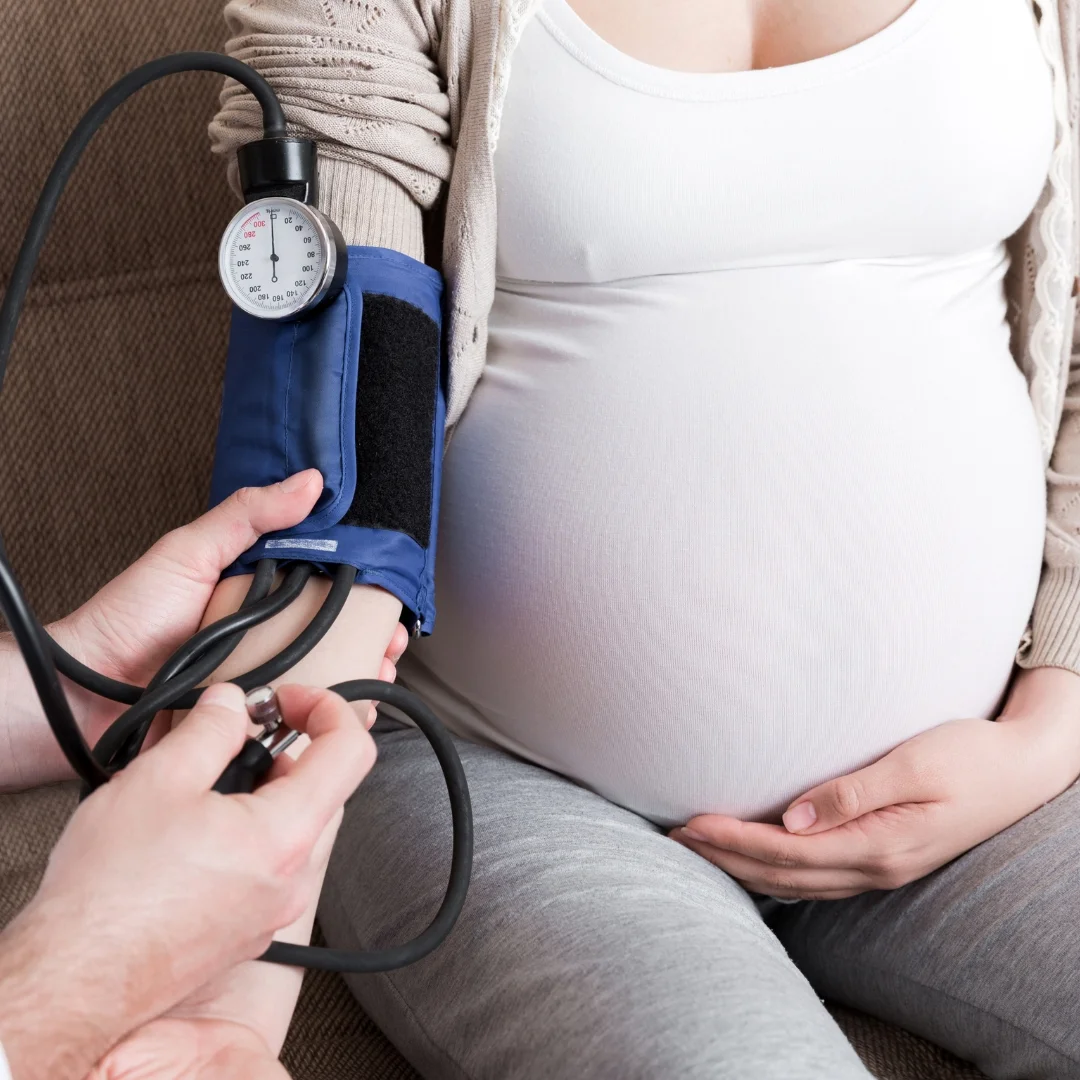
Common Causes & Risk Factors
- •Maternal Age: Pregnancies in women under 17 or over 35 carry increased risks.
- •Pre-existing Medical Conditions: Diabetes, hypertension, heart disease, kidney disease, autoimmune disorders, or thyroid problems can complicate pregnancy.
- •Previous Pregnancy Complications: Preterm birth, pregnancy loss, preeclampsia, or gestational diabetes increase risk for subsequent pregnancies.
- •Multiple Pregnancies: Twins, triplets, or more carry higher risks due to increased demands and potential complications.
- •Lifestyle Factors: Smoking, alcohol use, drug use, or obesity can contribute to high-risk status.
- •Infections & Genetic Factors: Certain infections, genetic factors, or fetal abnormalities detected during pregnancy may require specialized management.
Healthy Lifestyle
Lifestyle Factors
Understanding how daily habits and choices impact your health.
Genetic Factors
Family history and genetic predisposition considerations.
Prevention & Management
- Preconception counseling to optimize health before pregnancy
- Regular, frequent prenatal visits for close monitoring and early detection of complications
- More frequent ultrasounds, specialized testing, and consultations with specialists as needed
- Lifestyle modifications: healthy diet, prescribed medications, avoiding harmful substances, managing stress, and following activity restrictions
- Patient education about warning signs and when to seek immediate care
Regular Screening & Treatment Planning
Preventive Care & Individualized Plans
Early detection through routine examinations and customized treatment approaches tailored to your needs.