
Follicular Studies
Follicular studies, also known as ovulation monitoring or follicle tracking, involve serial ultrasound examinations to monitor the development and release of eggs from the ovaries. This procedure is essential for understanding ovulation patterns, timing intercourse for conception, and managing fertility treatments.
The process involves tracking follicle growth, endometrial thickness, and hormonal changes throughout the menstrual cycle. This information helps identify the optimal time for conception, diagnose ovulation disorders, and guide fertility treatments such as intrauterine insemination (IUI) or in vitro fertilization (IVF).
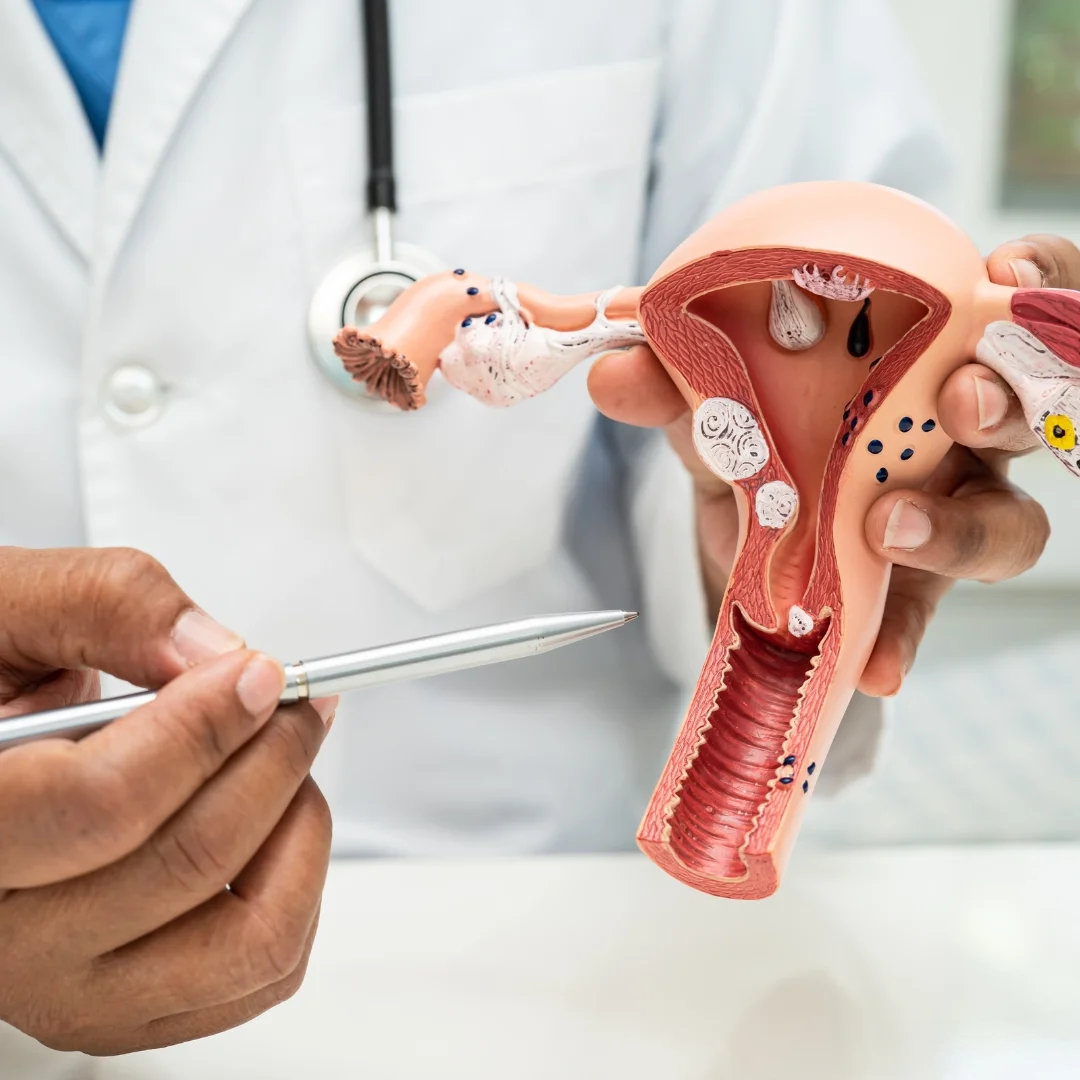
Common Causes & Risk Factors
- •Irregular Cycles: Women with irregular menstrual cycles or unexplained infertility often require follicle monitoring.
- •Ovulation Disorders: Conditions like PCOS, hypothalamic dysfunction, or previous fertility treatment failures.
- •Age & Recurrent Loss: Age-related fertility decline and recurrent pregnancy loss may require ovulation tracking.
- •Lifestyle & Genetic Factors: Lifestyle habits and genetic predisposition can influence ovulation patterns.
Healthy Lifestyle
Lifestyle Factors
Understanding how daily habits and choices impact your health.
Genetic Factors
Family history and genetic predisposition considerations.
Prevention & Management
- Helps prevent missed opportunities for conception by identifying optimal timing
- Reduces time to conception and minimizes need for invasive treatments
- Prevents complications during fertility treatments through regular monitoring
- Early detection of ovulation disorders allows prompt treatment
- Proper preparation and scheduling for accurate results
Regular Screening & Treatment Planning
Preventive Care & Individualized Plans
Early detection through routine examinations and customized treatment approaches tailored to your needs.